Replacing a heating system is one of the biggest home decisions you will make, and in 2026 most U.S. and Canadian homeowners are choosing between a modern heat pump and a traditional gas furnace. The right answer depends on your climate, your local energy prices, and the rebates you qualify for. This guide breaks down the real costs of each so you can decide with numbers instead of guesswork.
How the Two Systems Actually Work
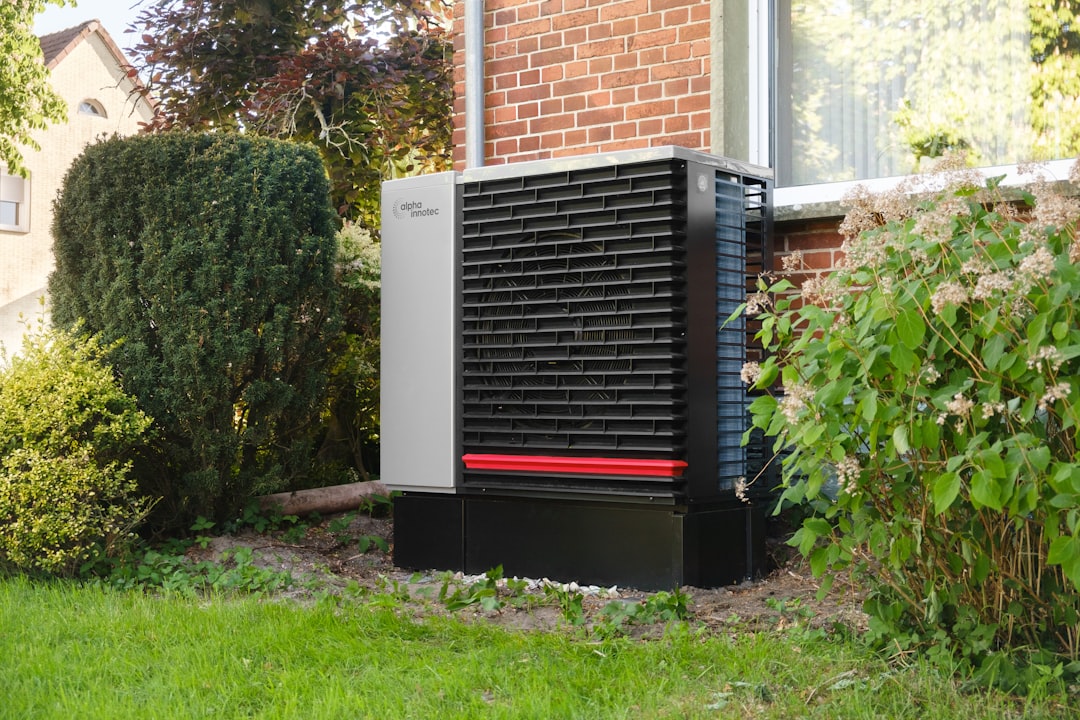
A gas furnace burns natural gas or propane to create heat, then blows it through your ducts. A heat pump does not create heat by burning fuel. Instead, it uses electricity to move heat from the outside air into your home in winter, and reverses in summer to cool it like a central air conditioner.
That single difference drives everything below. A furnace is a heating-only appliance that is cheap to run when gas is cheap. A heat pump is a two-in-one system that can be dramatically more efficient, but its running cost is tied to your electricity rate.
Upfront Cost
For a typical single-family home, installed prices in 2026 generally look like this:
- Gas furnace: roughly $4,500 to $8,000 installed, depending on efficiency and whether ductwork changes are needed.
- Air-source heat pump: roughly $8,000 to $16,000 installed, with cold-climate models at the higher end.
Heat pumps cost more upfront, but remember you are buying heating and cooling in one unit. If you would otherwise install a furnace plus a separate central AC, the price gap narrows quickly, and rebates can close it entirely.
Monthly Operating Cost
This is where climate and local rates matter most. A high-efficiency heat pump delivers two to four units of heat for every unit of electricity it uses, so it is far more efficient than baseboard or electric-resistance heat.
In milder regions, the Pacific Northwest, much of California, the U.S. Southeast, and coastal British Columbia, a heat pump usually beats a gas furnace on monthly cost. In areas with very cheap natural gas and brutal winters, such as the Prairies or the Upper Midwest, a gas furnace can still be cheaper to run on the coldest days.
Before you decide, it helps to know exactly where your energy is going. A quick DIY home energy audit will show whether heating is even your biggest cost.
Cold-Climate Performance
The old warning that heat pumps quit in the cold is outdated. Modern cold-climate heat pumps (look for the ENERGY STAR Cold Climate designation) keep working efficiently well below freezing, often down to -15°F or lower.
Still, in the coldest Canadian and northern U.S. zones, many homeowners choose a dual-fuel setup: a heat pump handles most of the season, and a small gas furnace kicks in only on the harshest nights. This captures the efficiency of a heat pump while keeping a reliable backup.
Rebates and Tax Credits That Change the Math
Incentives can be the deciding factor, and they almost always favor the heat pump.
United States: The federal Energy Efficient Home Improvement Credit (25C) covers 30% of the cost of a qualifying heat pump, up to $2,000 per year. Income-qualified households may also access point-of-sale rebates through state programs funded by the Inflation Reduction Act, worth up to $8,000 for a heat pump. Many utilities add their own rebates on top.
Canada: Federal and provincial programs, along with utility incentives, regularly offer thousands of dollars toward heat pump installation, and oil-to-heat-pump programs can cover an even larger share for eligible homes. Check current federal and provincial offerings, since these programs change year to year.
Gas furnaces rarely qualify for incentives beyond a small high-efficiency rebate, so factor these numbers in before comparing sticker prices.
Which One Is Right for You?
A heat pump is usually the better long-term choice if you live in a mild-to-moderate climate, want cooling included, care about lower emissions, or can stack meaningful rebates. A gas furnace may still win if you have extremely cheap natural gas, face very harsh winters without a cooling need, or are on a tight upfront budget.
Whatever you choose, efficiency starts with the building itself. Sealing and upgrading your home insulation lets you install a smaller, cheaper system and cuts your bills no matter which heating source you pick.
The Bottom Line
For most U.S. and Canadian homeowners in 2026, a cold-climate heat pump is the smarter investment: it heats and cools in one unit, runs efficiently in nearly every climate, and unlocks generous tax credits and rebates that a gas furnace cannot match. If you live in a very cold region with rock-bottom gas prices, a high-efficiency furnace, or a dual-fuel hybrid, can still make sense. Get quotes for both, apply every rebate you qualify for, and compare the total cost over 10 to 15 years, not just the price on day one.