Water heating is often the second-largest energy expense in a home, right behind heating and cooling. That makes the water heater one of the best places to look when you want to trim your utility bills. Whether you’re replacing an aging tank or planning a new build, choosing an efficient system pays off for years.
The Main Types, Compared
Not every water heater suits every home. Here’s how the common options stack up:
- Conventional storage tanks: Affordable up front, but they lose heat continuously (standby loss) as they keep a full tank hot around the clock.
- Tankless (on-demand): Heats water only as you use it, eliminating standby loss. Higher purchase cost, but lower running cost and a long lifespan.
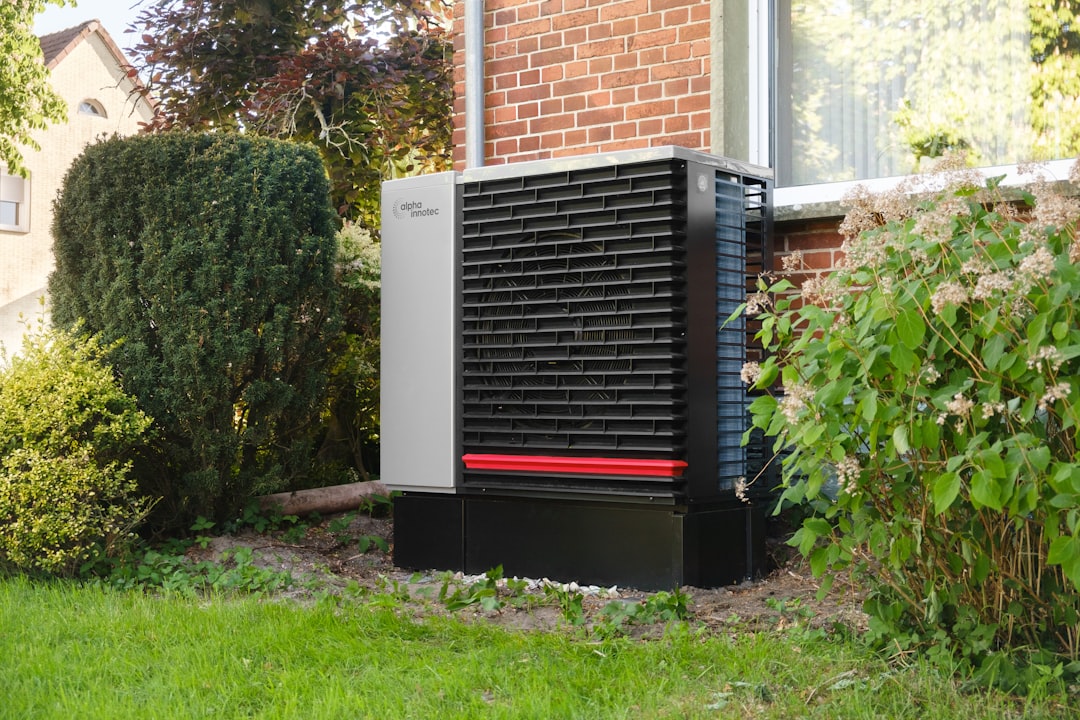
- Heat pump (hybrid) water heaters: Move heat from the surrounding air into the water instead of generating it directly. They can be two to three times more efficient than standard electric tanks.
- Solar water heaters: Use roof collectors to preheat water, cutting energy use dramatically in sunny climates, usually paired with a backup system.
Understanding the Efficiency Rating
Modern units are rated by their Uniform Energy Factor (UEF) — the higher the number, the more efficiently the unit converts energy into hot water. When comparing models, look at UEF alongside the estimated annual operating cost printed on the energy guide label, not just the sticker price. A cheaper unit that costs more to run can be the more expensive choice over its lifetime.
Sizing It Right
An oversized heater wastes energy keeping water hot you never use; an undersized one leaves you with cold showers. For tank models, match the capacity to your household’s peak demand. For tankless, the key number is flow rate (gallons per minute) and the temperature rise your climate requires. A quick load calculation — or advice from a qualified installer — prevents an expensive mismatch.
Simple Ways to Save With Any Heater
You don’t need a new unit to start saving:
- Lower the thermostat to around 120°F (49°C) — hot enough for comfort and safety, cool enough to save energy and reduce scald risk.
- Insulate the tank and the first few feet of hot-water pipes.
- Fix leaky faucets; even a slow drip of hot water wastes energy daily.
- Install low-flow showerheads and aerators to cut hot-water demand.
- Drain a bit of sediment from the tank periodically to keep it efficient.
Heat Pump Water Heaters: The Standout Upgrade
If you’re replacing an electric tank, a heat pump water heater is often the smartest move. Because it moves heat rather than creating it, it uses far less electricity, and rebates or tax credits frequently offset the higher upfront cost. It works best in a space that stays mild year-round — like a basement or garage — and needs a bit of room for airflow. For many households, the monthly savings make the payback period surprisingly short.
The Bottom Line
The right water heater depends on your climate, household size, and fuel options — but almost everyone can save by right-sizing, insulating, and dialing in the temperature. When it’s time to replace, weigh lifetime running cost against purchase price, check for local rebates, and give heat pump models a serious look. Efficient hot water is one of the quietest, most reliable ways to lower your bills.
Related reading: Heat Pumps Explained and 10 Proven Ways to Lower Your Electricity Bill.