Water heating is one of the largest line items in a typical home’s energy use, and most households never think about it until the tank fails. That is unfortunate, because the replacement decision you make in a panic on a Saturday morning locks in your hot water costs for the next decade or more. A heat pump water heater (HPWH) is the one upgrade in this category that changes the math dramatically — and it does it without you noticing any difference at the tap.
Here is what a heat pump water heater actually is, what it saves, where it works well, and where it does not.
How a Heat Pump Water Heater Works
A conventional electric water heater makes heat. It pushes electricity through resistance elements submerged in the tank, and that electricity is converted to heat at roughly a one-to-one ratio. It is simple, cheap to build, and expensive to run.
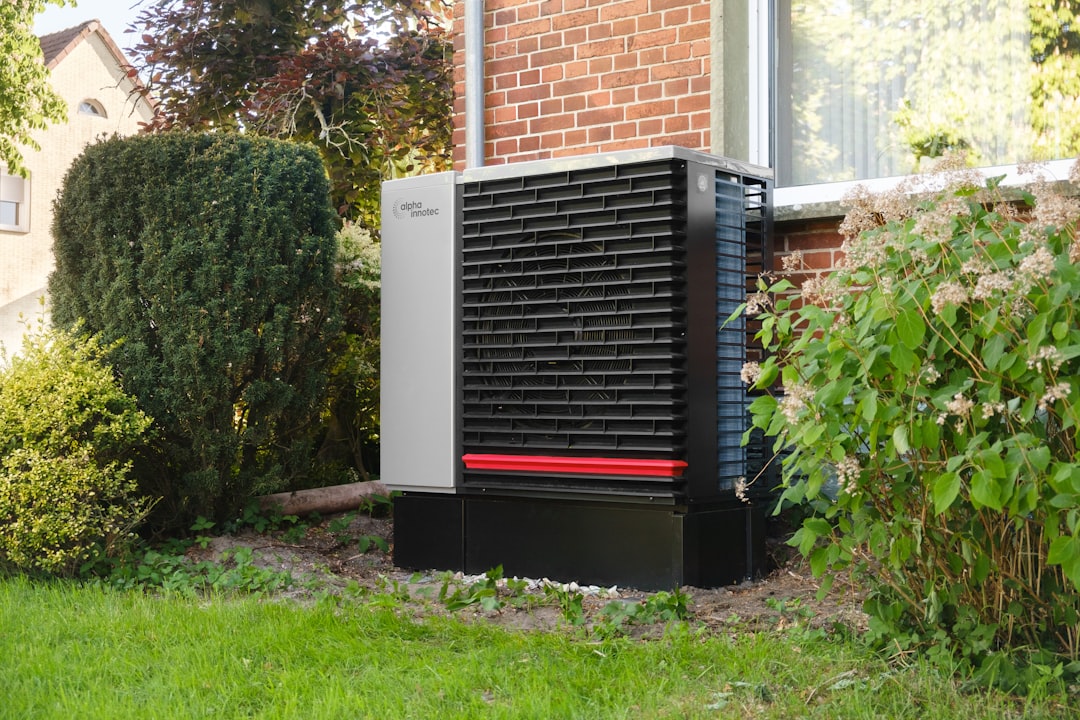
A heat pump water heater moves heat instead. A compressor and fan sit on top of the tank, pull warmth out of the surrounding air, and transfer it into the water. Because moving existing heat takes far less energy than creating it, the same amount of hot water costs a fraction of the electricity. It is the same principle behind the heat pumps used for home heating and cooling, just applied to a 50- or 65-gallon tank.
Nearly every HPWH sold is a hybrid: it has the heat pump for normal operation and backup resistance elements for heavy demand or very cold conditions. Most also let you choose a mode — efficiency-only, hybrid, or high-demand — from a control panel or phone app.
What the Savings Actually Look Like
This is where the numbers get interesting. According to ENERGY STAR, a certified heat pump water heater saves a four-person household roughly $550 per year compared with a standard electric water heater, and more than $5,610 over the unit’s lifetime.
Savings scale with how much hot water you use. ENERGY STAR’s published figures:
- 2-person household: about 1,880 kWh and $270 saved per year, roughly $2,050 over the unit’s life
- 3-person household: about 2,820 kWh and $410 per year, roughly $3,830 lifetime
- 4-person household: about 3,760 kWh and $550 per year, roughly $5,610 lifetime
Those estimates assume an electricity price of about 14.6 cents per kWh, an incremental purchase cost of roughly $1,503 over a standard electric tank, and a 13-year lifespan. ENERGY STAR puts the payback for a four-person household at about 2.7 years, stretching to about 5.5 years for a two-person home.
Two things shift those numbers for your house. If your electricity is more expensive than 14.6 cents, you save more and pay back faster. If it is cheaper, the opposite. And if you are currently on natural gas rather than electric resistance, the comparison is much closer — a HPWH may still win on operating cost in many regions, but it is not the slam dunk it is against an electric tank.
The Space and Noise Requirements Nobody Mentions
This is the single biggest reason a heat pump water heater turns out to be the wrong choice, and it is worth checking before you shop.
Because the unit pulls heat from surrounding air, it needs a reasonable volume of air to draw from. Manufacturers specify a minimum room volume in the installation manual — check the spec sheet for the exact model, because a HPWH crammed into a small sealed closet will run poorly and lean on its resistance backup, erasing the savings.
A few other practical points:
- It is taller than what it replaces. The compressor sits on top, so measure your headroom before ordering.
- It makes noise. Roughly comparable to a window air conditioner or dehumidifier. Fine in a basement or garage, potentially annoying in a hallway closet next to a bedroom.
- It cools and dries the room. ENERGY STAR notes this as a benefit during hot, humid weather — the unit dehumidifies the space it sits in. In an unheated basement in a cold climate it is neutral to mildly unwelcome. In a conditioned living space in winter, your furnace works slightly harder to make up the difference.
- It needs a condensate drain. Like an air conditioner, it produces water that has to go somewhere — a floor drain, a condensate pump, or a nearby sink line.
The ideal home for a HPWH is one with a basement, garage, or utility room that stays reasonably warm and has room to breathe. If your water heater lives in a tight interior closet, get an installer’s opinion before committing.
Cost and Incentives in 2026
A heat pump water heater costs meaningfully more than a basic electric tank up front — ENERGY STAR’s savings math uses roughly $1,500 as the typical incremental cost, though installed prices vary widely by region, tank size, and how much electrical or plumbing work your setup needs.
On incentives, be careful with what you read online, because the federal picture changed recently:
- The federal 25C tax credit is gone. The Energy Efficient Home Improvement Credit, which previously offered 30% of cost up to $2,000 for a qualifying heat pump water heater, was terminated by the One Big Beautiful Bill Act signed July 4, 2025. Per the IRS, you cannot claim it for property placed in service after December 31, 2025. A number of rebate-aggregator sites still advertise this credit for 2026 — they are out of date.
- State-administered rebates may still apply. The federal Home Electrification and Appliance Rebates program provides up to $1,750 toward an ENERGY STAR certified heat pump water heater for income-qualified households, covering 100% of cost for households under 80% of area median income and 50% for those between 80% and 150%. These are run by individual states, and both availability and funding status vary — check your own state energy office.
- Utility rebates are often the best deal. Many electric utilities offer their own HPWH rebates, sometimes stacked on top of state programs. ENERGY STAR’s Rebate Finder is the fastest way to check what applies at your ZIP code.
- Canadian homeowners should look to provincial and utility programs, which differ substantially between provinces.
Should You Wait for Your Current Tank to Fail?
Probably not, and this is the practical advice most worth acting on. When a water heater fails, it usually fails messily and on a weekend, and you take whatever the emergency plumber has on the truck. That is almost never a heat pump model, because they require more planning — clearance checks, a condensate path, sometimes an electrical upgrade.
If your tank is more than about ten years old, do the homework now: measure the space, check the manufacturer’s room-volume requirement, look up local rebates, and get a quote. Then you can replace it deliberately, on your schedule, and start collecting the savings a few years early rather than defaulting to another decade of an expensive electric tank.
It also pairs well with the rest of your energy picture. If you are already working through practical ways to lower your electricity bill, water heating is one of the few areas where a single purchase moves the number by hundreds of dollars a year. For the full landscape of options — including tankless, gas, and solar thermal — see our broader guide to energy-efficient water heaters.
The Bottom Line
A heat pump water heater is one of the least glamorous and most reliably profitable upgrades available to a homeowner on electric hot water. ENERGY STAR’s numbers put the savings at $270 to $550 a year depending on household size, with payback in roughly three to five years and thousands of dollars over the unit’s life. The catch is not the technology — it is the installation. Get the space, clearance, noise tolerance, and drainage right, and the unit disappears into the background while quietly cutting one of your largest energy costs.
Incentives, electricity rates, and equipment prices change frequently and vary by state, province, and utility. Verify current federal, state, and utility programs before making a purchase decision.