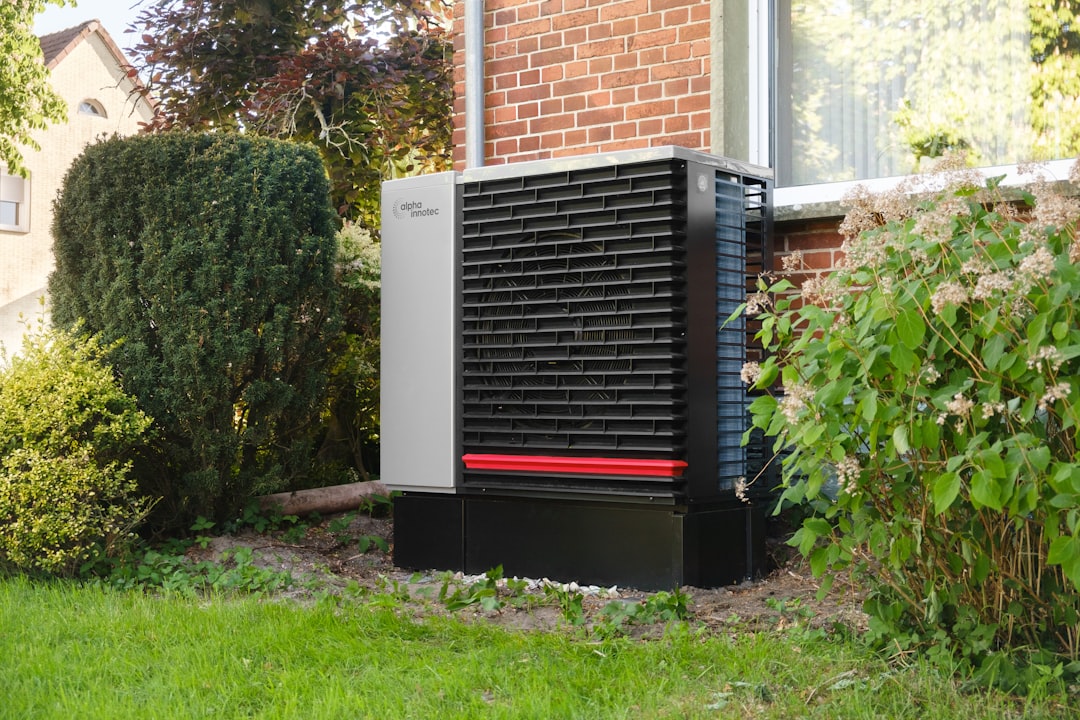
Heat pumps have become one of the most talked-about home upgrades in the U.S. — and for good reason. A single system can both heat and cool your home efficiently, often cutting energy use compared with traditional systems.
How a Heat Pump Works
Instead of burning fuel to create heat, a heat pump moves heat from one place to another. In winter it pulls warmth from the outside air (or ground) into your home; in summer it reverses to keep you cool. That’s what makes it so efficient.
The Main Benefits
Heat pumps offer year-round heating and cooling in one system, high energy efficiency, and no on-site combustion. Many homeowners qualify for federal and state incentives that offset the upfront cost.
Tip: Look for ENERGY STAR-rated models and ask your installer about cold-climate heat pumps if you live in a colder region.
Is a Heat Pump Right for You?
Heat pumps work well in most climates, and modern models perform even in cold weather. Consider your current system’s age, your local electricity rates, and available incentives when deciding.
Frequently Asked Questions
Do heat pumps work in cold climates?
Yes. Modern cold-climate heat pumps are designed to heat efficiently even in freezing temperatures.
Can a heat pump replace both my furnace and AC?
In many homes, yes — a single heat pump handles both heating and cooling.
For efficient, all-in-one comfort, a heat pump is hard to beat. With incentives available, there’s never been a better time to consider one. Related: Energy-Efficient Water Heaters and Home Insulation 101.