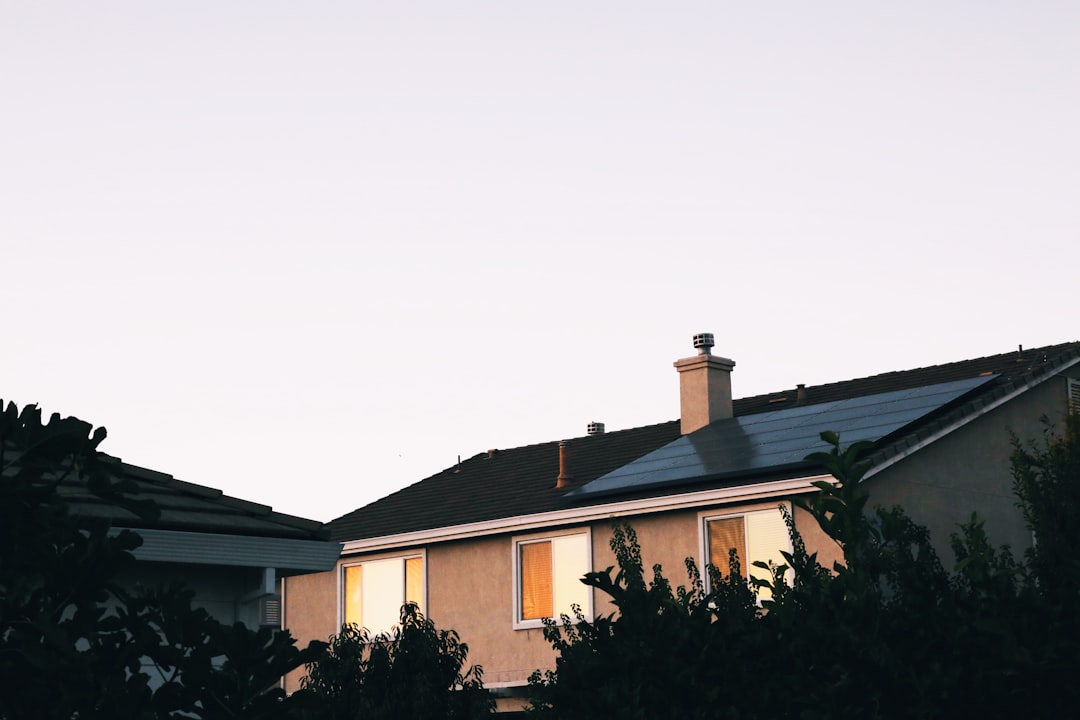
Residential solar has become one of the most popular home upgrades in the U.S. — and for good reason. Solar panels can lower your electricity bills, reduce your carbon footprint, and even increase your home’s value. But are they right for you?
How Residential Solar Works
Solar panels convert sunlight into electricity that powers your home. Any excess can be sent back to the grid — often earning credits through net metering — or stored in a home battery for later use.
What It Costs and How You Save
Upfront costs vary by system size and your roof, but federal tax credits and local incentives can significantly reduce the price. Most homeowners save money over the system’s lifetime, with payback periods commonly ranging from several years to about a decade.
Tip: Get quotes from at least three reputable installers and ask each to estimate your payback period based on your actual energy usage.
Is Your Home a Good Fit?
South-facing roofs with minimal shade tend to perform best, but many homes are viable. Consider your roof’s age and condition, your local sunlight, and your electricity rates when deciding.
Frequently Asked Questions
Do solar panels work on cloudy days?
Yes, though they produce less power. Panels still generate electricity in indirect sunlight.
Will solar increase my home’s value?
Studies suggest owned solar systems can increase resale value, though leased systems may complicate a sale.
For many homeowners, solar pays off financially and environmentally. The key is getting a system sized and priced for your specific home. Related: Solar Leasing vs. Buying and Home Battery Storage.