For most electric vehicle (EV) owners in the U.S., the majority of charging happens at home — it’s cheaper, more convenient, and means starting each day with a “full tank.” If you’re considering an EV or just bought one, understanding home charging is the first step.
The Three Levels of EV Charging
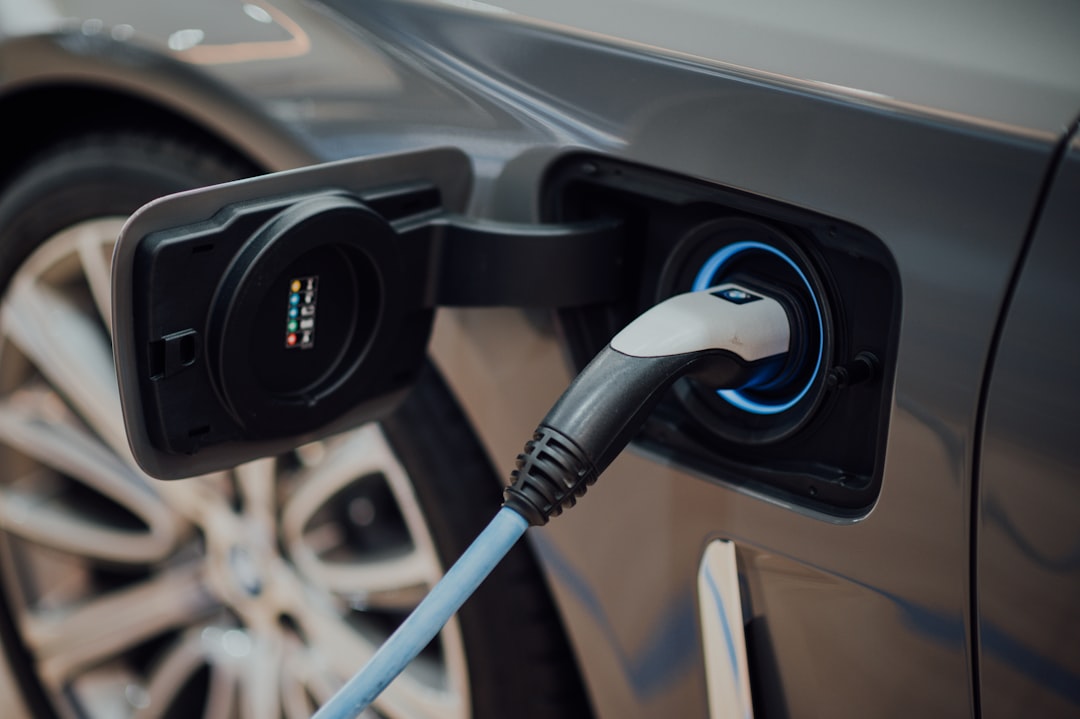
Level 1 uses a standard 120V outlet and adds about 3–5 miles of range per hour — fine for plug-in hybrids or low-mileage drivers. Level 2 uses a 240V circuit (like a dryer outlet) and adds 20–40 miles per hour, making it the most popular home setup. DC fast charging is for public stations, not homes.
Installing a Level 2 Charger
A Level 2 charger typically requires a licensed electrician to install a 240V circuit in your garage or driveway. Costs vary by home, but many owners find the convenience well worth it. Check whether your utility offers rebates for home charger installation.
Tip: Charge overnight during off-peak hours. Many utilities offer lower time-of-use rates that make home charging significantly cheaper.
How Much Does Home Charging Cost?
Your cost depends on your local electricity rate and your car’s efficiency, but home charging is almost always cheaper than public fast charging — and far cheaper than gasoline for most drivers.
Frequently Asked Questions
Do I need a special charger to charge at home?
Every EV can use a standard outlet (Level 1), but a Level 2 charger is far faster and recommended for daily driving.
Is home EV charging safe?
Yes, when installed by a licensed electrician to code. Level 2 chargers are designed for safe, everyday home use.
Home charging is one of the biggest perks of EV ownership. With the right setup, you’ll wake up to a fully charged car every morning. Related: How to Compare EV Models and EV Tax Incentives.