Insulation is one of the most cost-effective ways to make your home more comfortable and energy-efficient. A well-insulated home stays warmer in winter, cooler in summer, and costs less to heat and cool year-round.
How Insulation Works
Insulation slows the transfer of heat between the inside and outside of your home. Its effectiveness is measured by R-value — the higher the R-value, the better it resists heat flow. Different areas of your home need different R-values based on your climate.
Common Types of Insulation
The most common options are fiberglass batts, blown-in cellulose, spray foam, and rigid foam boards. Each has different costs, R-values, and ideal applications — from attics and walls to crawl spaces and basements.
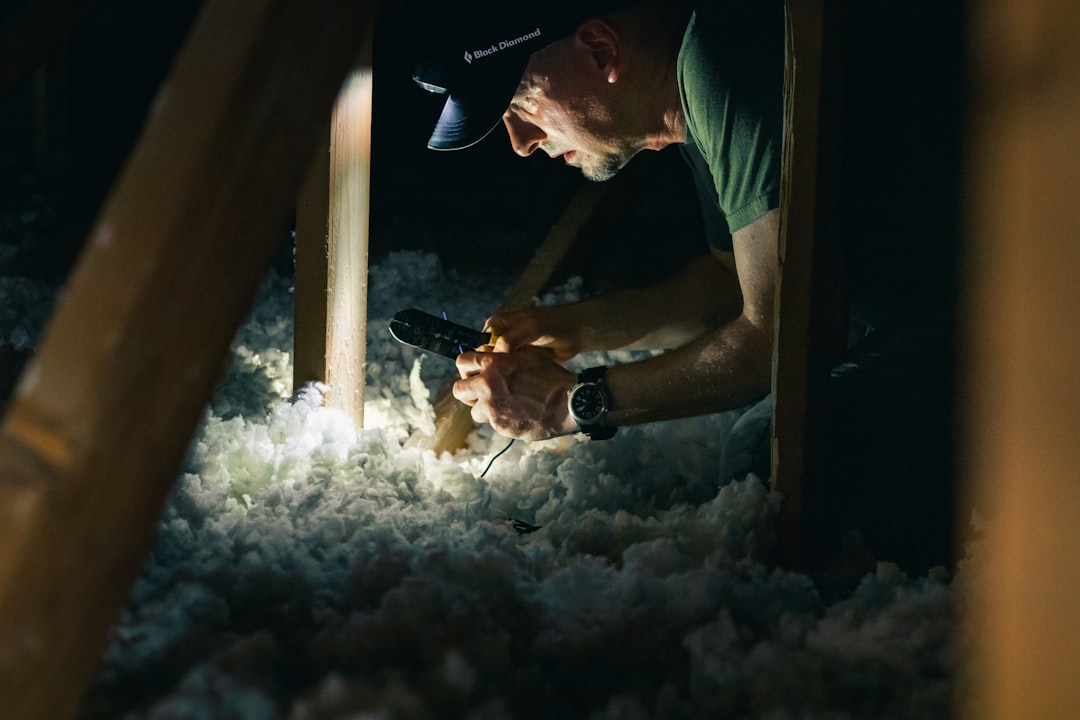
Tip: The attic is usually the highest-impact place to add insulation, since a large share of heat is lost through the roof.
Where It Saves the Most
Attics, exterior walls, floors over unheated spaces, and air-sealed gaps around windows and doors deliver the biggest savings. Pairing insulation with proper air sealing multiplies the benefit.
Frequently Asked Questions
How do I know if my home needs more insulation?
Uneven temperatures, drafts, and high energy bills are common signs. A home energy audit can pinpoint weak spots.
Can I install insulation myself?
Some types, like batts, are DIY-friendly, while spray foam is usually best left to professionals.
Upgrading insulation is a smart, high-return investment. It pays you back through lower bills and a more comfortable home for years to come. Related: Energy-Efficient Windows & Doors and Lower Your Electricity Bill.